Почему Qtenboard выбираетАнти-бликИлиВысокая-прозрачностьЭкраны для различных интерактивных дисплеев
Когда дело доходит до экранов, не все стекла созданы равными. В Qtenboard мы тщательно выбираемАнти -- слепящийИлиВысокая прозрачностьСтекло (с высоким коэффициентом пропускания) для каждого типа продукта-от интерактивных досок до киосков, цифровых вывесок и стоячих телевизоров. Но почему именно? И какие технические соображения управляют этими решениями?
В этой статье, мы будем погружаться в:
- Разница междуАнти -- слепящийИВысокая прозрачностьЭкраны
- Почему каждая категория продуктов Qtenboard получает особое лечение
- Технология покрытия экрана и оптических материалов
- Как эти варианты влияют на производительность, пользовательский опыт и долговечность
- Подсказки для клиентов о том, как выбрать правый дисплей для их окружающей среды
К концу вы поймете не только «что», но и «почему» за выбором экранов Qtenboard, и почему важна экспертиза заводского уровня.
Почему материал экрана имеет значение
На первый взгляд может показаться, что экран-это просто экран. Но на самом деле выбор стекла или покрытия резко влияет на четкость изображения, видимость при ярком освещении, точность касания и долговечность.
Рассмотрим среды, в которых используются наши дисплеи:
- Классные комнаты и конференц-залы с большим количеством верхнего освещения
- Торговые центры с отражающими поверхностями и ярким солнечным светом
- Офисы и корпоративные среды с контролируемым освещением, но высоким уровнем взаимодействия
- Устройства-компаньоны для умного дома, часто просматриваемые с разных ракурсов
Каждый сценарий представляет различные проблемы. Неправильная обработка экрана может привести к:
- Чрезмерные блики и отражения
- Цвета помыт-вне
- Усталость глаз для пользователей
- Снижение чувствительности и точности касания
- Плохое восприятие качества продукции
Qtenboard систематически решает эти проблемы, адаптируя материалы к случаю использования, а не применяя подход «один размер подходит всем».
Анти-бликПротивВысокая-прозрачностьСтекло: в чем разница?
Анти-бликЭкраны
Анти-бликЭкраны предназначены для рассеивания окружающего света, уменьшая отражения от верхних огней, окон или солнечного света.
Ключевые моменты:
- Как это работает: Микроскопическое травление поверхности или слои оптической пленки рассеивают входящий свет.
- Эффект: уменьшает зеркальное отражение без значительного снижения яркости.
- Лучше всего подходит для: интерактивных досок (IWB) и интеллектуальных устройств «Guimi».
Почему IWBs и стоять на мне ТВ выгоду:
- Пользователи часто пишут, рисуют или комментируют на экране. Размышления сделали бы это трудным.
- Анти-бликСохраняет точность касания.
- Снижает напряжение глаз во время длительных сеансов.
Высокая-прозрачность(Высокое пропускание) Стекло
Высокая-прозрачностьСтекло, с другой стороны, максимизирует светопропускание, гарантируя, что яркость и контрастность дисплея полностью видны даже в сложных условиях освещения.
Ключевые моменты:
- Как это работает: Оптически прозрачное закаленное стекло с минимальными покрытиями.
- Эффект: сохраняет яркость цвета, контрастность и общее качество изображения.
- Лучше всего подходит для: Digital Signage и киосков, где визуальное воздействие и четкость изображения являются приоритетом.
Почему реклама и киоски выигрывают:
- Рекламе нужны яркие, яркие цвета, чтобы привлечь внимание.
- Киоски полагаются на четкие визуальные эффекты для интерактивных меню и информации.
- Уменьшение бликов менее важно, поскольку эти устройства обычно устанавливаются вертикально, и пользователи обычно смотрят под постоянным углом.
Технические выводы, стоящие за выборами Qtenboard
Qtenboard не назначает покрытия случайным образом-каждый выбор отражает оптическую физику, сенсорную технику и эргономику пользователя.
Оптические покрытия и пленки
- Анти-бликВ панелях используются матовые пленки или нанотравленые слои, которые равномерно рассеивают свет.
- Высокая-прозрачностьВ панелях используется стекло с твердым покрытием или сверхпрозрачные закаленные слои, которые сохраняют полную яркость и точность цветопередачи.
Калибровка сенсорной чувствительности
- Анти-бликСлои слегка изменяют оптический путь, поэтому сенсорные датчики откалиброваны, чтобы компенсировать любые незначительные изменения преломления.
- Высокая-прозрачностьСтекло сохраняет почти идеальный прямой контакт с сенсорными электродами, обеспечивая быстрый и точный отклик.
Долговечность и устойчивость к царапинам
- ОбаАнти -- слепящийИВысокая прозрачностьПанели обрабатываются для достижения≥ 6HТвердость, предотвращающая появление царапин при ежедневном использовании.
- Анти-бликПокрытия также уменьшают отпечатки пальцев и пятна, которые могут рассеивать свет и повторно вводить блики.
Оптимизация яркости
- Qtenboard тщательно уравновешивает яркость подсветки панели с обработкой поверхности.
- Анти-бликСлои не требуют чрезмерной мощности подсветки, защищая глаза пользователей.
- Высокая-прозрачностьПанели позволяют более низким потерям отражения, держа изображения яркими без дополнительной пользы энергии.
Экологическая адаптация
- Классные комнаты и офисные IWBs часто имеют переменное освещение;Анти -- слепящийОбеспечивает постоянную разборчивость.
- Общественные противоположные пространства требуют максимального визуального воздействия;Высокая прозрачностьСохраняет первоначальное качество контента.
Почему Qtenboard реализует экранные решения для конкретных продуктов
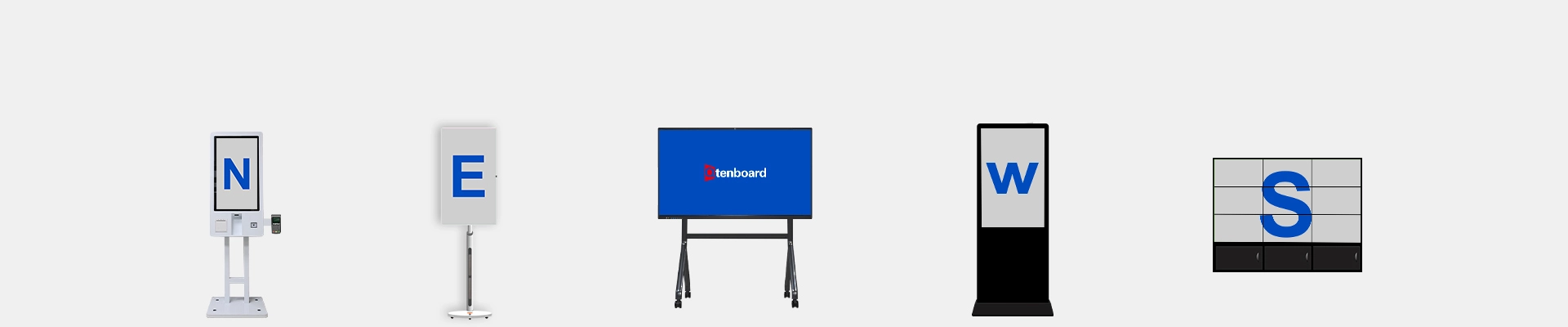
Вот разбивка логики Qtenboard для каждой категории продуктов:
| Продукт |
Обработка экрана |
Почему |
| Интерактивные доски (IWB) |
Анти-блик |
Пользователи пишут, рисуют и комментируют; уменьшает отражения; повышает точность касания и снижает утомляемость глаз |
| Телевизор Встань со мной |
Анти-блик |
Многоугольный обзор в домах/офисах; антибликовое покрытие для комфорта при длительном использовании |
| Цифровые вывески |
Высокая-прозрачность |
Максимизирует яркость и точность цветопередачи; визуально впечатляет для розничных/общественных помещений |
| Киоски |
Высокая-прозрачность |
Сохраняет четкость и яркость для интерактивных меню; пользователи рассматривают с фиксированных углов; отражение менее критично |
Этот подход, ориентированный на конкретные категории, позволяет Qtenboard обеспечивать оптимальную производительность для каждого сценария использования, а не компромисс, который никого не удовлетворяет.
Как фабрика Qtenboard обеспечивает качество
Многие производители полагаются на готовые стеклянные или послепродажные пленки. Qtenboard применяет все покрытия на заводе, сочетая роботизированную точность и ручную проверку:
- Роботизированное слоение:Обеспечивает униформуАнти -- слепящийИлиВысокая прозрачностьСлои без пузырей, царапин или неровной толщины.
- Ручная проверка:Квалифицированные техники проверяют для оптически единообразия, точности касания, и поверхностной гладкости.
- Долгое часовое тестирование:Панели проходят через расширенное касание, яркость и моделирование окружающей среды, чтобы обеспечить стабильность работы.
- Калибровка:Сенсорные датчики, яркость и цветопередача точно настроены на каждую обработку поверхности.
Этот комплексный подход гарантирует, что пользователи получат именно тот визуальный опыт, который они ожидают-никаких сюрпризов, никаких компромиссов.
Как выбрать правильный дисплей для вашего проекта
При выборе панели Qtenboard учитывайте:
Тип взаимодействия пользователя
- Написание, аннотирование или рисование →Анти-бликИмеет важное значение
- Только просмотр контента →Высокая-прозрачностьМожет быть лучше
Условия освещения
- Яркая, отражающая среда →Анти-бликСнижает напряжение глаз
- Контролируемое освещение или внутренние общественные места →Высокая-прозрачностьСохраняет яркие цвета
Угол обзора и расстояние
- Multi-угол, крупным планом использования →Анти-бликИзбегает горячих точек
- Фиксированные, вертикальные или крупномасштабные вывески →Высокая-прозрачностьМаксимальное визуальное воздействие
Долговечность и обслуживание
- Анти-бликПокрытия уменьшают отпечатки пальцев и пятна
- Высокая-прозрачностьСтекло легче чистить для общественного использования
Заводская гарантия
Всегда проверяйте, что производитель применяет покрытия на заводе, а не на вторичном рынке. Qtenboard гарантирует однородность, точность касания и долговечность.
Часто задаваемые вопросы:Анти-бликПротивВысокая-прозрачностьЭкраны
Q1: Могу ли я переключить тип экрана позже?
О: Нет, покрытие интегрировано на заводе. Подход Qtenboard обеспечивает долговечность и оптическую точность, которые не могут гарантировать послепродажные изменения.
Q2: Уменьшает ли антибликовое покрытие яркость экрана?
О: Происходит минимальное уменьшение, но Qtenboard калибрует яркость для поддержания визуальной четкости и уменьшения отражений.
Q3: Почему бы не использовать антибликовое покрытие для всех продуктов?
А: В дисплеях рекламы и киоска, сохраняя полную яркость и точность цветопередачи более важно чем уменьшение слепимость; эти приборы типично установлены в путях которые уменьшают отражения.
Q4: Насколько долговечны эти покрытия?
О: Как антибликовые, так и высокопрозрачные панели устойчивы к царапинам (≥ 6H) и отпечаткам пальцев для профессионального повседневного использования.
Q5: Будет ли затронута чувствительность к касанию?
О: Нет. Qtenboard калибрует сенсорные датчики для антибликовые поверхности, чтобы обеспечить точное и отзывчивое взаимодействие.
Резюме
Выбор материала экрана-это не просто косметическое решение-это влияет на четкость, комфорт, удобство использования и долговечность.
Философия Qtenboard:
- Анти-бликДля интерактивного, многоугольного, длительного использования (IWB, Standbyme TV)
- Высокая-прозрачностьДля визуального воздействия и точности цветопередачи (реклама, киоски)
Этот подход опирается на:
- Покрытия, нанесенные на заводе
- Роботизированная ручная проверка ламинирования
- Сенсорная калибровка и оптимизация яркости
- Устойчивость к царапинам и долгосрочная надежность
Путем портняжничать экраны к окружающей среде и применению, Ктенбоард обеспечивает каждый дисплей поставляет самое лучшее возможное опыт потребителя, подпертый техническими знаниями и профессиональными стандартами производства.
Короче говоря: правильный материал экрана имеет решающее значение-и Qtenboard разрабатывает его, интегрирует и проверяет его в доме для каждой категории продуктов.

 RU
RU
 EN
EN  ARM
ARM  UKR
UKR  LAV
LAV  BEL
BEL  EST
EST  AZE
AZE