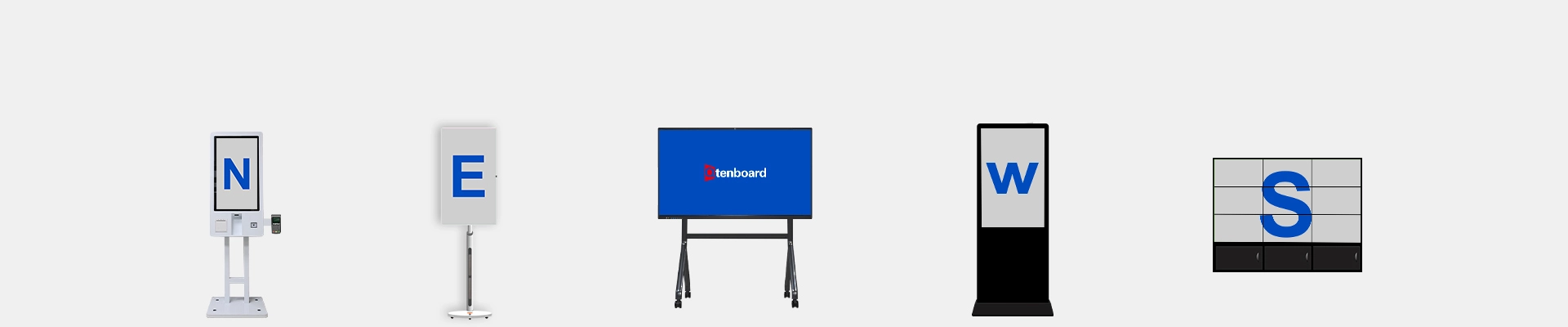
В сегодняшней быстро развивающейся среде предприятия в розничной торговле, корпоративных офисах, образовании и транспорте все чаще полагаются на передовые технологии отображения для эффективного общения. Традиционные статические плакаты или печатные баннеры больше не привлекают внимание аудитории, особенно в местах, где ожидаются обновления в реальном времени, интерактивный контент и привлекательные визуальные дисплеи. Цифровые вывески обеспечивают универсальное решение, которое не только предоставляет информацию, но и привлекает зрителей, улучшает пользовательский опыт и генерирует измеримые результаты с помощью аналитики данных.
Среди вариантов цифровых вывесок на рынке доминируют два основных типа экранов:ЖК-дисплей (жидкокристаллический дисплей)ИСветодиод (светоизлучающий диод). В то время как светодиодные экраны идеально подходят для наружного применения из-за их яркости и возможностей большого формата, ЖК-экраны обеспечивают превосходную четкость изображения, мелкие детали и экономичность в помещениях, таких как классные комнаты, офисы, магазины розничной торговли и конференц-залы. Понимание различий между этими технологиями имеет решающее значение для выбора правильного решения для вашего бизнеса.
В этом руководстве будут рассмотрены преимущества ЖК-экранов цифровых вывесок, сравните их с альтернативами светодиодов, обсудите компоненты системы, выделите сценарии применения, предоставьте стратегии контента и управления, предложите рекомендации по выбору, ответьте на часто задаваемые вопросы и объясните, почемуQtenboardНадежный партнер для ваших потребностей цифровых вывесок.
| Особенность | Жидкий кристаллический дисплей | СИД |
|---|---|---|
| Яркость | 300-700 кд/м², идеально подходит для использования в помещении | 1000 кд/м², подходит для наружного или прямого солнечного света |
| Резолюция | Высокий, поддерживает 1080p / 4K, детальные изображения | Умеренный, разрешение зависит от шага пикселя |
| Стоимость | Более низкая авансная стоимость | Выше, особенно для экранов большого формата |
| Потребляемая мощность | Нижняя | Высшее |
| Диапазон размеров | Универсальность: 32-110 дюймов | Большой формат ориентирован, в основном для больших установок |
| Техническое обслуживание | Простота обслуживания и замены деталей | Сложное и дорогостоящее обслуживание |
| Применения | Крытый розничной торговли, офисы, классы, корпоративные дисплеи | Наружные рекламные щиты, стадионы, площади, транспортные узлы |
| Точность цвета | Высокие, точные цвета | Высокая яркость, но менее точный цвет |
| Срок службы | Долгая, стабильная работа | Очень длинные, но высокие начальные инвестиции |
ЖК-экраны обеспечивают четкое разрешение 1080p или 4K, что идеально подходит для подробной рекламы, визуальных эффектов продукта и текстового контента.
По сравнению со светодиодными экранами, варианты ЖК-дисплеев изначально более доступны и потребляют меньше энергии, что делает их пригодными для длительного использования в помещении.
Доступный в размерах выстраивая в ряд от 32 дюймов к 110 дюймов или больше, экраны ЛКД можно стен-установить, пол-стоять, или рабочий стол-установить для того чтобы одеть различные космосы.
ЖК-экраны поддерживают видео, анимацию, слайд-шоу и интерактивные функции, такие как сенсорный ввод, датчики движения и сканирование QR-кода.
ЖК-экраны относительно просты в обслуживании, с легкой заменой компонентов и более низкими долгосрочными эксплуатационными расходами.
ЖК-экраны работают с системами Android (9,0, 11,0, 13,0, 14,0, 16,0) и ПК с Windows (i5/i7), обеспечивая совместимость с различными программами и приложениями для управления контентом.
ЖК-дисплей: идеально подходит для бизнеса, образования и офиса.
Светодиод: лучше для больших наружных установок.
Внешние медиаплееры: высокая производительность, поддержка многоэкранных настроек.
Встроенная SoC: упрощает установку и снижает сложность прокладки кабелей.
Позволяет управлять планированием, компоновкой и шаблоном. Поддерживает удаленную публикацию и многоэкранное управление. Включает аналитику и интерактивный сбор данных.
Поддерживает Wi-Fi/Ethernet, POS-системы, датчики и интеграцию IoT. Позволяет отображать контент в реальном времени и вовлечение пользователей.
Отслеживает вовлечение аудитории, взаимодействие и продолжительность воспроизведения. Централизованный мониторинг в нескольких местах для оптимизации контент-стратегии.
ЖК-экраны лучше всего работают в помещении. Для наружных сред с высокой яркостью рекомендуются светодиодные экраны.
ЖК-экраны обычно имеют более низкую начальную стоимость и энергопотребление, что делает их идеальными для внутреннего и среднего развертывания.
Да. Используя CMS, контент можно обновлять на нескольких экранах в режиме реального времени.
Да. Сенсорные ЖК-экраны могут обеспечивать интерактивный опыт и интегрироваться с датчиками или QR-кодами для взаимодействия.
Android (9,0, 11,0, 13,0, 14,0, 16,0) и Windows (i5/i7) полностью поддерживаются.
Даже один ЖК-дисплей может улучшить доставку информации, привлечение клиентов и присутствие бренда, что делает его достойным вложением средств.
Экраны вывесок ЛКД цифровые сильно рентабельным, обеспечивают четкость изображения, легки для установки и для поддержания, и соответствующие для дел, учебных заведений, розничных торговцев, и окружающих сред офиса. По сравнению со светодиодными дисплеями ЖК-экраны идеально подходят для использования в помещении, предлагая подробные визуальные эффекты, энергоэффективность и долгосрочную надежность.
QtenboardПредлагает высококачественные цифровые ЖК-экраны для вывесок, совместимые с платформами Android и Windows, поддерживающие удаленное управление, функциональность с разделенным экраном и интерактивные функции. Имея многолетний опыт и надежные продукты, Qtenboard является надежным партнером для предприятий, ищущих эффективные решения для цифровых вывесок.

 RU
RU
 EN
EN  ARM
ARM  UKR
UKR  LAV
LAV  BEL
BEL  EST
EST  AZE
AZE