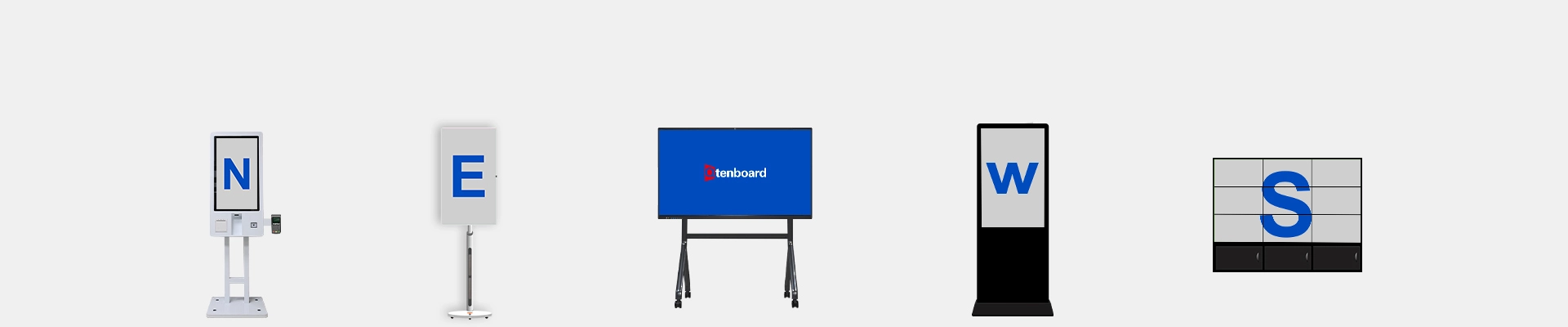
В современном быстро меняющемся цифровом мире традиционных статических плакатов и печатных баннеров уже недостаточно, чтобы привлечь внимание аудитории-будь то в розничных магазинах, корпоративных лобби, транспортных узлах или образовательных зданиях. Зрители теперь ожидаютДинамические, своевременные и интерактивные дисплеиКоторые не только показывают информацию, но вовлекают, влияют и адаптируются.
Эта эволюция дала началоЦифровые решения синьяге-Интеллектуальные системы отображения, которые объединяют аппаратное обеспечение, программное обеспечение и управление контентом для доставки целевых сообщений, рекламных акций, поиска путей, данных в реальном времени и интерактивного опыта. Но с бесчисленными поставщиками, различными технологиями и широким спектром вариантов реализации выбор правильного решения для цифровых вывесок может быть ошеломляющим.
Эта статья разбивает все, что вам нужно знать: что такое цифровые вывески, как они работают, почему они ценны, как они сравниваются с традиционными вывесками, какие компоненты составляют надежное решение, как выбрать лучший для вашего сценария и общие вопросы, которые часто задают компании.
Решения Digital Signage-это системы, которые используют электронные дисплеи, такие как LCD, LED или проекционные экраны, для трансляции контента-часто управляемого удаленно-для информирования, развлечения, рекламы или направления аудитории. В отличие от традиционных печатных вывесок, цифровые вывески позволяют:
Цифровые вывески могут быть развернуты в одном месте или в комплексах и глобальных сетях, что делает их одним из самых универсальных коммуникационных инструментов, доступных сегодня.
| Особенность | Традиционные вывески | Цифровые вывески |
|---|---|---|
| Содержание | Напечатанный, статический | Динамический, цифровой |
| Обновления | Ручная перепечатка | Удаленное мгновенное обновление |
| Помолвка | Пассивный | Интерактивный |
| Стоимость по времени | Текущие расходы на типографские работы | Первоначальное аппаратное программное обеспечение, снижение затрат |
| Интеграция данных | Нет | Поддерживает каналы в реальном времени |
| Персонализация | Нет | Аудитория-целевой обмен сообщениями |
| Аналитика | Нет | Данные зрителей и отслеживание производительности |
Люди, естественно, тянутся к движению, яркости и меняющимся дисплеям. Цифровые экраны привлекают внимание лучше, чем статические знаки, увеличивая время ожидания и отзыв сообщений-будь то в торговых проходах или корпоративных пространствах.
Системы цифровых вывесок позволяют командам обновлять контент на одном или тысячах экранов, используя централизованную программную платформу. Вместо перепечатки материалов в нескольких местах контент можно обновлять мгновенно, снижая затраты и улучшая согласованность.
С помощью цифровых вывесок компании могут предоставлять рекламные акции на основе времени, отображать данные в реальном времени, такие как новости или социальные каналы, и адаптировать обмен сообщениями в зависимости от аудитории или местоположения. Эта контекстуальная способность значительно повышает актуальность и влияние.
В розничных средах цифровые вывески могут направлять покупателей к продуктам, рекламным акциям витрины и поддерживать киоски самообслуживания. В аэропортах и транзитных узлах вывески улучшают путевой поиск и уменьшают путаницу.
Хотя цифровые вывески требуют авансных инвестиций в оборудование и программное обеспечение, долгосрочные затраты ниже, чем непрерывная печать и установка статических носителей. Автоматизированное планирование снижает затраты на рабочую силу.
Современные платформы цифровых вывесок собирают данные о производительности, такие как просмотры экрана, взаимодействие с контентом, показатели взаимодействия и демография аудитории. Этот уровень понимания помогает компаниям оптимизировать контент-стратегию и измерять рентабельность инвестиций.
Дисплеи могут быть панелями ЛКД/ЛЭД, видео-стенами, на открытом воздухе дисплеями, или взаимодействующими киосками. Выбор зависит от окружения, расстояния просмотра и типа контента.
Дисплеи могут запускать контент через внешние медиаплееры или встроенную SoC, балансируя мощность, гибкость и простоту.
CMS-это мозг, позволяющий планировать, управлять шаблоном, удаленной публикацией и управлять несколькими местоположением. Облачная CMS обеспечивает совместную работу команд и удаленные операции.
Цифровые вывески часто подключаются через Wi-Fi, Ethernet, датчики IoT, POS-системы, мобильные устройства и внешние источники данных для динамического и управляемого данными контента.
Дашборды отображают количество просмотра, данные взаимодействия, время взаимодействия и производительность контента для оптимизации стратегии и рентабельности инвестиций.
Большинство современных систем лучше всего работают с Интернетом для удаленных обновлений, каналов в реальном времени и аналитики. Оффлайн плейлисты все еще могут работать без подключения.
Затраты сильно различаются в зависимости от размера дисплея, интерактивности, функций CMS и сложности установки. Базовые настройки начинаются с отображения и подписки CMS; передовые решения добавляют датчики и интеграции.
Да, цифровые вывески могут интегрироваться с API для отображения погоды в реальном времени, трафика, социальных каналов или панелей продаж.
Даже один дисплей с целевым контентом может повысить вовлеченность клиентов, повысить рекламные акции и улучшить поиск.
Небольшие установки могут устанавливаться за часы; большие многоэкранные сети занимают от нескольких дней до нескольких недель в зависимости от инфраструктуры.
Большинство решений поставляются с интуитивно понятной CMS. Базовые обновления контента, как правило, легко после минимального обучения.
Решения Digital Signage являются стратегическими инструментами, которые информируют, привлекают и влияют на аудиторию в режиме реального времени. Понимание компонентов, сравнение цифровых и традиционных вывесок, выбор правильного программного и аппаратного обеспечения и разработка эффективного контента открывает взаимодействие, аналитику и ценность для бизнеса.

 RU
RU
 EN
EN  ARM
ARM  UKR
UKR  LAV
LAV  BEL
BEL  EST
EST  AZE
AZE